On Prudence
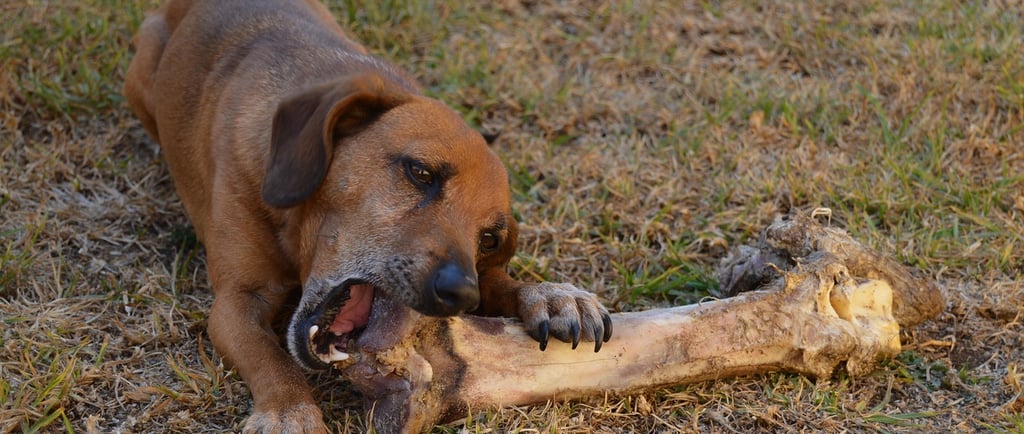
Never give a dog a bone for safekeeping
REFLECTIONSCULTURE WARCULTUREBEAUTY & ORDEREMPIRE & COLLAPSEWISDOM & TRADITIONFAITH IN ACTION
Contra Modernum
10/28/20252 min read

On Prudence
“You don’t give a dog a bone for safekeeping.” — My grandfather
He said it every time he saw somebody hand responsibility to the wrong man.
Didn’t matter if it was money, trust, or truth: if you gave something valuable to someone who couldn’t help but destroy it, you were the fool, not him.
And I’ve been that fool more times than I care to admit.
The phrase came back to me the other day, sitting in the car on a chilly evening after a long day's work, watching a co-worker fumble a project I should’ve known better than to delegate.
I’d given him a task that played straight to his weakness because I didn’t want to deal with the confrontation. I called it “giving him a chance.”
But it wasn’t grace. It was cowardice dressed up as generosity.
The result was predictable: missed deadlines, excuses, finger-pointing, and my own quiet resentment.
My grandfather would’ve just shaken his head.
“You don’t give a dog a bone for safekeeping, my boy.”
What he meant was simple: Don’t moralize stupidity.
Don’t pretend your lack of judgment is kindness.
Don’t entrust the sacred to those who can’t treat it as sacred.
Because bones are bones. And dogs are dogs.
There’s a reason Christ said, “Do not cast your pearls before swine.”
It’s not cruelty, it’s order. It’s discernment.
There’s a hierarchy to trust, and when you ignore it, things rot.
But in this age, we call that “judgmental.”
We hand out positions, trust, intimacy, and truth to people who have no business holding them: then we’re shocked when they chew them to pieces.
I’ve done it with people.
I’ve done it with plans.
I’ve done it with sin.
I’ve told myself I could handle temptation, could “keep it close,” could “manage it.”
And then I watched it destroy what I thought I could control.
Because that’s the other meaning of the saying, the one I didn’t see until years later:
Sometimes you’re the dog.
Sometimes you’re the one who can’t be trusted to hold the thing you crave.
You keep the bone close thinking you’ll protect it, but you end up gnawing on it until there’s nothing left.
That’s the nature of appetite: it consumes whatever it touches, even your best intentions.
I think my grandfather knew that too.
He was a simple man, but he’d lived long enough to see human nature for what it is: hungry, self-deceptive, impatient.
You don’t give a dog a bone for safekeeping because the dog will tell himself, “I’ll just hold it.”
And then he’ll take one lick.
Then a bite.
Then it’s gone.
So now, when I’m tempted to trust myself with something dangerous, power, praise, pride, I stop and hear that old voice in my head, gravelly and amused:
“You don’t give a dog a bone for safekeeping.”
And maybe that’s the beginning of wisdom—knowing when not to trust your own teeth.
Because the wise man doesn’t test his restraint.
He keeps the bone out of reach.